HPV Testing: How Does the Test Work and How Accurate Is It?
HPV Testing How Does the Test Work and How Accurate Is It
Have you ever heard of HPV? If not, let’s start with the basics.
Human papillomavirus (HPV) is a very common group of viruses. While many HPV infections cause no symptoms and clear naturally, certain high-risk types can contribute to the development of several cancers, including cervical cancer.
That is why HPV testing can play an important role in cervical cancer prevention and early detection.
But how exactly does an HPV test work? And how accurate is it?
What Happens During an HPV Test?
The HPV test itself is relatively simple.
During a gynecological examination, you will usually lie on an examination table while a healthcare professional gently uses a speculum to see the cervix.
A small sample of cells is then collected from the cervix using a soft brush or similar sampling device.
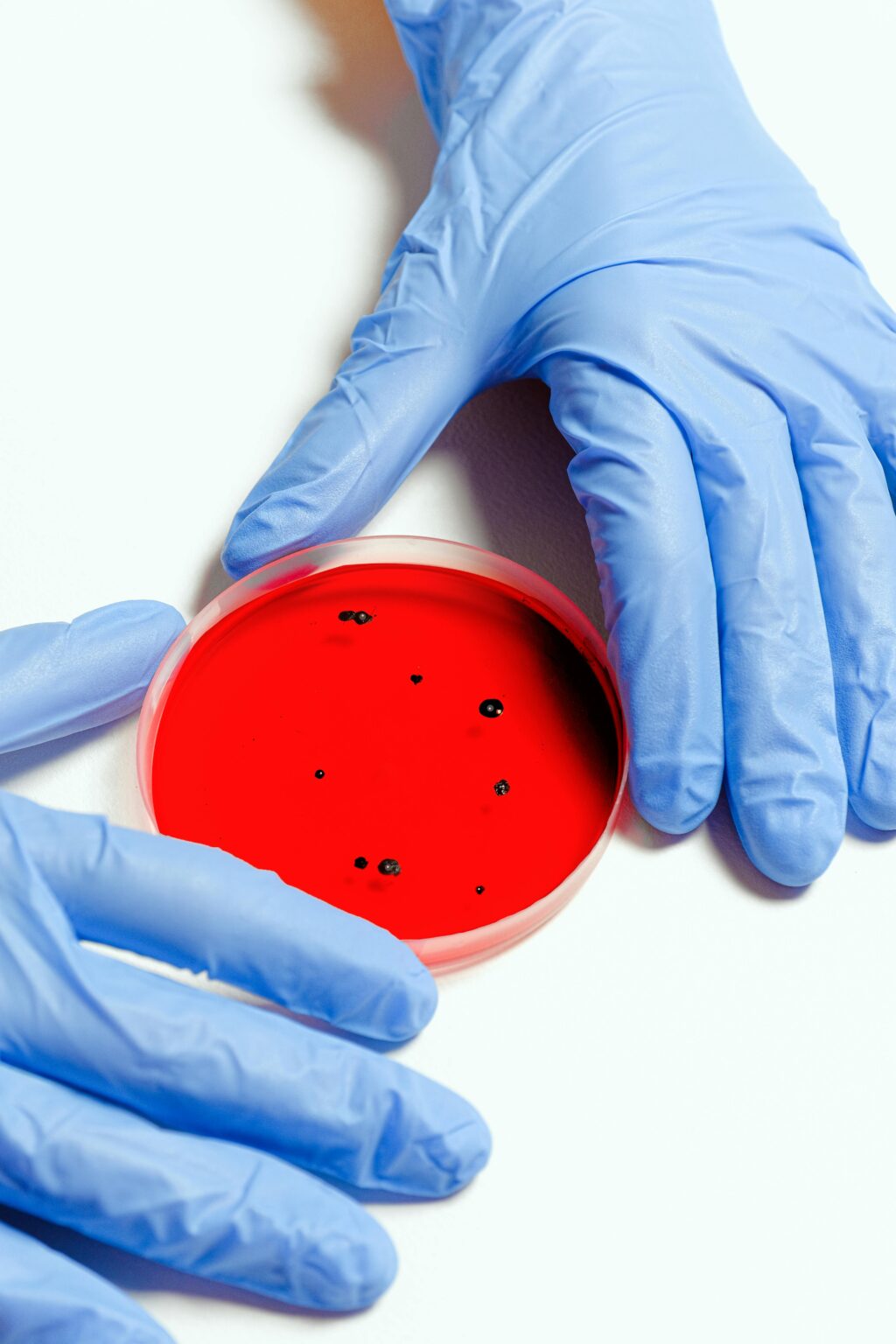
The sample is sent to a laboratory, where it is tested for certain types of HPV, particularly high-risk HPV types associated with cervical cancer.
For most people, the procedure takes only a few minutes. It may feel slightly uncomfortable or cause brief pressure or cramping, but it is generally a quick procedure.
How Accurate Is an HPV Test?
One of the most common questions is: Can you trust an HPV test?
Modern HPV tests are highly sensitive for detecting high-risk HPV infections. However, no medical test is perfect.
The accuracy can depend on the specific test being used, the sample collected, and the circumstances in which the test is performed.
It is also important to understand that an HPV test is not the same as a cancer diagnosis.
A positive HPV result means that a high-risk HPV type has been detected. It does not automatically mean that you have cancer or that you will develop cancer.
Depending on your age, previous screening results, and the specific HPV type detected, your healthcare provider may recommend additional testing or follow-up.
Vitamin D Suppositories and HPV
HPV Tests Explained: The Simple Truth About Testing and Accuracy
When it comes to HPV testing, there are plenty of myths and misunderstandings.
So let’s clear things up.
Human papillomavirus (HPV) is one of the most common viral infections. Many infections are temporary and disappear without causing health problems. However, persistent infection with certain high-risk HPV types can increase the risk of cervical cancer.
That is why cervical screening is so important.
HPV Test vs. Pap Test: What’s the Difference?
There are two important tests that are often discussed together: the HPV test and the Pap test.
An HPV test looks for certain high-risk types of HPV.
A Pap test, on the other hand, examines cervical cells for abnormal changes that may require further evaluation.
In some screening programs, the two tests may be used together, while in others, HPV testing may be used as the primary screening method.
Think of them as two different ways of looking for potential problems: one looks for the virus, while the other looks for changes in the cells.
How Reliable Are HPV Tests?
HPV tests are highly effective at detecting high-risk HPV infections.
However, it is important not to describe any screening test as 100% accurate.
A negative result means that the tested high-risk HPV types were not detected in the sample. A positive result means that high-risk HPV was detected and that additional follow-up may be recommended.
The next step depends on several factors, including your age, previous screening history, and the specific test result.
When Should You Get Tested?
The recommended age and frequency of cervical screening can vary depending on the country and current medical guidelines.
For that reason, there is no single testing schedule that applies to everyone.
Your healthcare provider can tell you which screening approach is appropriate based on your age, medical history, previous results, and individual risk factors.
The most important thing is not to ignore recommended cervical screening.
HPV Testing and Cancer Prevention: What Your Result Really Means
So, what is HPV?
Human papillomavirus (HPV) refers to a large group of related viruses. Some types can cause genital warts, while certain high-risk types can contribute to cancers, particularly cervical cancer.
The good news is that HPV testing is relatively straightforward.
During the examination, a healthcare professional collects a sample of cells from the cervix using a small brush. The sample is then sent to a laboratory for analysis.
The procedure usually takes only a few minutes.
What Does a Positive HPV Result Mean?
This is where many people become unnecessarily worried.
A positive HPV test does not mean that you have cancer.
It means that a high-risk HPV type was detected in the sample.
In many cases, the immune system clears HPV naturally. However, persistent high-risk HPV infection can cause cellular changes over time, which is why follow-up is important.
Your healthcare provider may recommend additional screening, repeat testing, or procedures such as a colposcopy, depending on your individual results.
A negative result means that the tested high-risk HPV types were not detected.
The key message is simple: an HPV test is a screening tool, not a cancer diagnosis.
HPV Tests Revealed: How Accurate Are Modern Screening Methods?
Have you ever wondered how reliable modern HPV tests really are?
You’re not alone.
HPV is extremely common, and certain persistent high-risk infections can contribute to serious health problems. Fortunately, advances in laboratory testing have made it possible to detect high-risk HPV more effectively than ever before.
What Makes Modern HPV Tests Different?
There are many different HPV types.
Some are considered low-risk and may cause conditions such as genital warts, while others are classified as high-risk because persistent infection can contribute to the development of certain cancers.
Modern molecular tests can detect genetic material from specific high-risk HPV types in cervical samples.
This allows healthcare professionals to identify people who may need closer monitoring or additional testing.
Are HPV DNA Tests Accurate?
HPV DNA-based testing is highly sensitive for detecting high-risk HPV.
However, the performance of a test can vary depending on the specific test, the population being screened, and how the sample is collected and processed.
That is why laboratory testing should always be interpreted in combination with your clinical history and other screening results.
Think of HPV screening as an early-warning system: it can identify potential risk before serious cervical changes develop, giving healthcare professionals an opportunity to monitor the situation and intervene when necessary.
Regular screening remains one of the most important tools for preventing cervical cancer.
From the Test to the Result: How HPV Testing Works
So, what actually happens after you schedule an HPV test?
Let’s walk through the process step by step.
Step 1: Collecting the Sample
During a cervical screening appointment, a healthcare professional collects a small sample of cells from the cervix.
A speculum is generally used to make the cervix visible, and a small brush is used to collect the sample.
The procedure usually takes only a few minutes.
Step 2: Laboratory Analysis
After the sample is collected, it is sent to a laboratory.
Laboratory specialists analyze the sample to determine whether certain high-risk HPV types are present.
The technology used for HPV testing can identify viral genetic material with a high degree of sensitivity.
Step 3: Receiving Your Results
Depending on the healthcare system and laboratory, results may take several days or longer.
Your result may indicate that high-risk HPV was not detected or that it was detected.
If HPV is detected, don’t panic.
A positive result does not mean that you have cancer.
Instead, it means that your healthcare provider may recommend additional monitoring or testing based on your individual circumstances.
HPV Testing: How Does the Test Work and How Accurate Is It?
The Bottom Line
The journey from an HPV test to your result is a structured process designed to identify potential risks early.
If you have questions about your result, speak with your healthcare provider. Understanding what your result means can help you make informed decisions about your next steps.
Polymerase Chain Reaction (PCR) Testing and HPV
Don’t Fear HPV: What You Should Know About HPV Testing and Reliability
If you’ve heard about HPV, you may already know that it stands for human papillomavirus.
And if you’ve received an HPV-positive result, you may naturally feel worried.
But understanding HPV can make the situation much less frightening.
HPV Is Extremely Common
HPV is one of the most common sexually transmitted infections.
Many sexually active people will be exposed to HPV at some point in their lives.
The important thing to remember is that not every HPV infection causes health problems.
Many infections are temporary and are cleared naturally by the immune system.
Certain high-risk HPV types, however, can persist and contribute to cellular changes that may eventually lead to cancer.
That’s where screening becomes important.
What Happens During an HPV Test?
An HPV test usually involves collecting a small sample of cervical cells.
The procedure is generally quick and may cause temporary discomfort, but it is usually over within minutes.
The sample is then analyzed in a laboratory for certain high-risk HPV types.
What If Your Test Is Positive?
This is perhaps the most important thing to understand:
An HPV-positive result does not mean you have cancer.
It simply means that a high-risk HPV type was detected.
Your healthcare provider will determine whether you need repeat testing, additional screening, or another procedure based on your individual circumstances.
In many cases, HPV infections do not progress to serious disease.
Early detection and appropriate follow-up are key.
So instead of fearing HPV, focus on understanding it.
Keep up with recommended cervical screening, ask questions when something is unclear, and discuss your results with a qualified healthcare professional.
Knowledge can help you take control of your health.
Frequently Asked Questions About HPV Testing
How often should I have an HPV test?
The recommended screening interval depends on your age, country, screening method, previous results, and individual risk factors.
Some screening programs recommend testing every few years rather than annually.
Your healthcare provider can tell you which screening schedule is appropriate for you.
What should I do after a positive HPV test?
A positive HPV test does not mean that you have cancer.
Your healthcare provider may recommend additional testing, repeat screening, a Pap test, or a colposcopy depending on your age, previous results, and the specific HPV findings.
Following the recommended follow-up schedule is important.
What symptoms can indicate an HPV infection?
HPV often causes no symptoms at all.
Some HPV types can cause genital warts or other visible changes, while high-risk HPV types may cause cellular changes without producing noticeable symptoms.
That is why regular cervical screening is important even when you feel completely healthy.
What is an HPV test and how does it work?
An HPV test is a screening test that looks for certain high-risk types of human papillomavirus.
For cervical screening, a sample of cells is usually collected from the cervix and analyzed in a laboratory.
The result can help healthcare professionals determine whether further monitoring or testing may be needed.
How accurate are HPV tests?
Modern HPV tests are highly sensitive for detecting high-risk HPV infections.
However, no test is perfect, and results should be interpreted in context.
A positive result does not diagnose cancer, while a negative result does not mean that a person can never develop an HPV-related condition in the future.
For this reason, following the recommended screening schedule remains important.